HomeDestinationsItinerariesFood & WineBeachesTransportContact
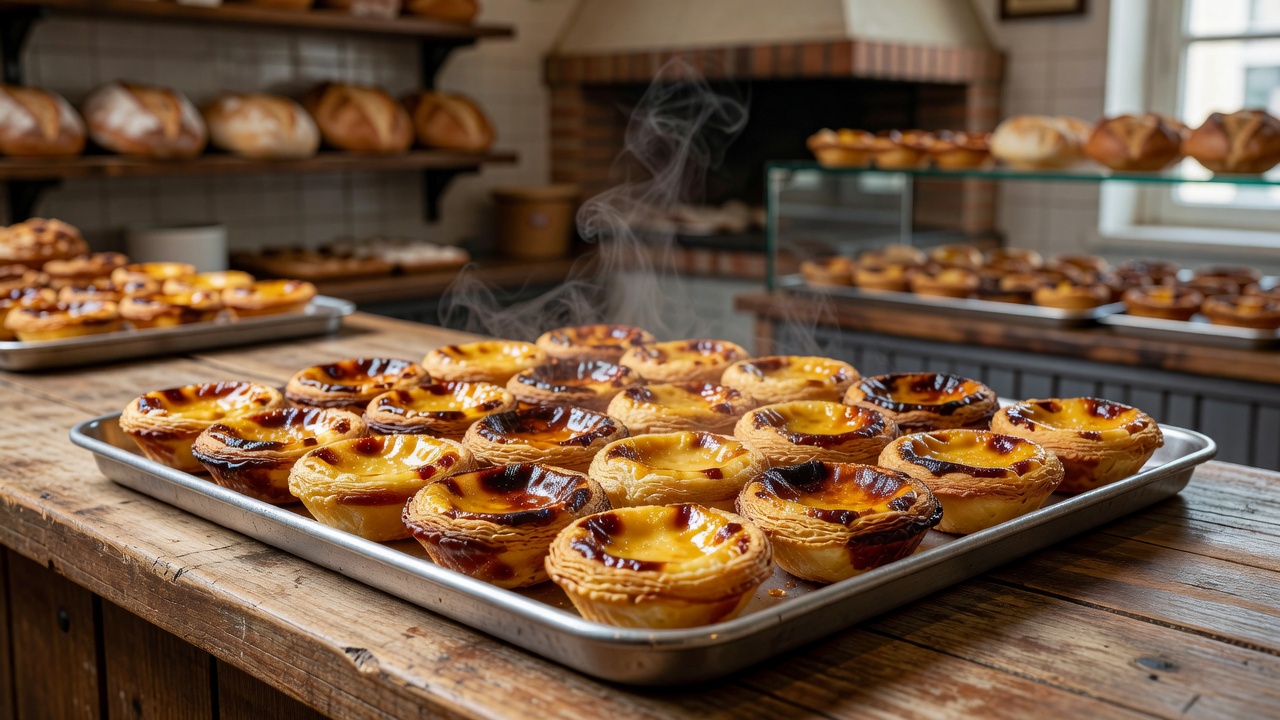
Tray of freshly baked pastéis de nata with caramelised tops on a bakery counter

Home / Food & Wine

What to eat in Portugal

Salt cod in 365 disguises, pork with clams, a sandwich that needs cutlery, and the best value restaurant culture in western Europe.

How Portuguese eating works

Lunch runs 12:30–15:00 and dinner from 19:30, later in Lisbon. Most traditional restaurants post a prato do dia — a daily dish with soup and often coffee for €9–14. Portions are generous; ordering a meia dose (half portion) is completely normal and not considered mean.

The couvert is the ritual that confuses everyone. Bread, butter, olives, sometimes cheese or sardine paste arrive unrequested. They are charged individually, usually €1–4 in total. Eat them if you want them, or hand them back politely. It is not a scam; it is a convention.

Tipping is modest: round up, or leave 5–10% for a good meal. Service is rarely included. Coffee is ordered as um café (espresso), meia de leite (half milk) or galão (tall, milky, in a glass).
The thirty-two dishes

Salt cod and the sea

  • Bacalhau à Brás — shredded cod, onion, egg and matchstick potatoes. The national comfort dish.
  • Bacalhau com Natas — baked with cream and potato; rich, schoolday nostalgia for locals.
  • Bacalhau à Gomes de Sá — Porto's version, with olives and hard-boiled egg.
  • Pastéis de bacalhau — cod and potato fritters, eaten standing up.
  • Sardinhas assadas — charcoal-grilled sardines on bread, June to September only.
  • Ameijoas à Bulhão Pato — clams with garlic, coriander, olive oil and lemon.
  • Arroz de marisco — soupy seafood rice, ordered for two, served in the pot.
  • Cataplana de peixe — Algarve fish and shellfish steamed in a copper clam shell.
  • Polvo à lagareiro — octopus roasted with garlic and olive oil, with smashed potatoes.
  • Caldeirada — fishermen's stew layered with potato, pepper and tomato.
  • Espada com banana — Madeira's scabbardfish with fried banana.
  • Percebes — gooseneck barnacles from the western cliffs; expensive, extraordinary.

Meat and the interior

  • Leitão da Bairrada — suckling pig with crackling like glass, from near Coimbra.
  • Francesinha — Porto's layered meat sandwich under cheese and beer sauce.
  • Carne de porco à alentejana — pork cubes with clams, coriander and fried potato.
  • Cozido à portuguesa — the great winter boiled dinner of meats, sausage and vegetables.
  • Tripas à moda do Porto — tripe and white beans; the dish that gave Porto's people their nickname.
  • Espetada madeirense — beef on a laurel skewer, hung above the table.
  • Frango piri-piri — grilled chicken with chilli oil; best from a churrasqueira.
  • Bifana — thin marinated pork in a crusty roll, €3.50 and perfect.
  • Prego no pão — the beef equivalent, often eaten after dessert.
  • Alheira — smoked bread-and-poultry sausage invented by Jewish communities to appear pork-eating.

Soups, sides and cheese

  • Caldo verde — potato broth with shredded kale and a slice of chouriço.
  • Açorda alentejana — bread soup with garlic, coriander and a poached egg.
  • Sopa da pedra — "stone soup", thick with beans and meats, from Almeirim.
  • Queijo da Serra da Estrela — a sheep's cheese so soft you spoon it from the rind.
  • Queijo de Azeitão — its smaller, pungent cousin from near Setúbal.
  • Bolo do caco — Madeiran flatbread with garlic butter.

Sweets

  • Pastel de nata — custard tart, cinnamon optional, always eaten warm.
  • Travesseiro de Sintra — flaky almond "pillow" from Piriquita.
  • Queijada — small cheese tart, Sintra's other pastry.
  • Pão de Ló — barely baked sponge cake, deliberately molten in the middle.
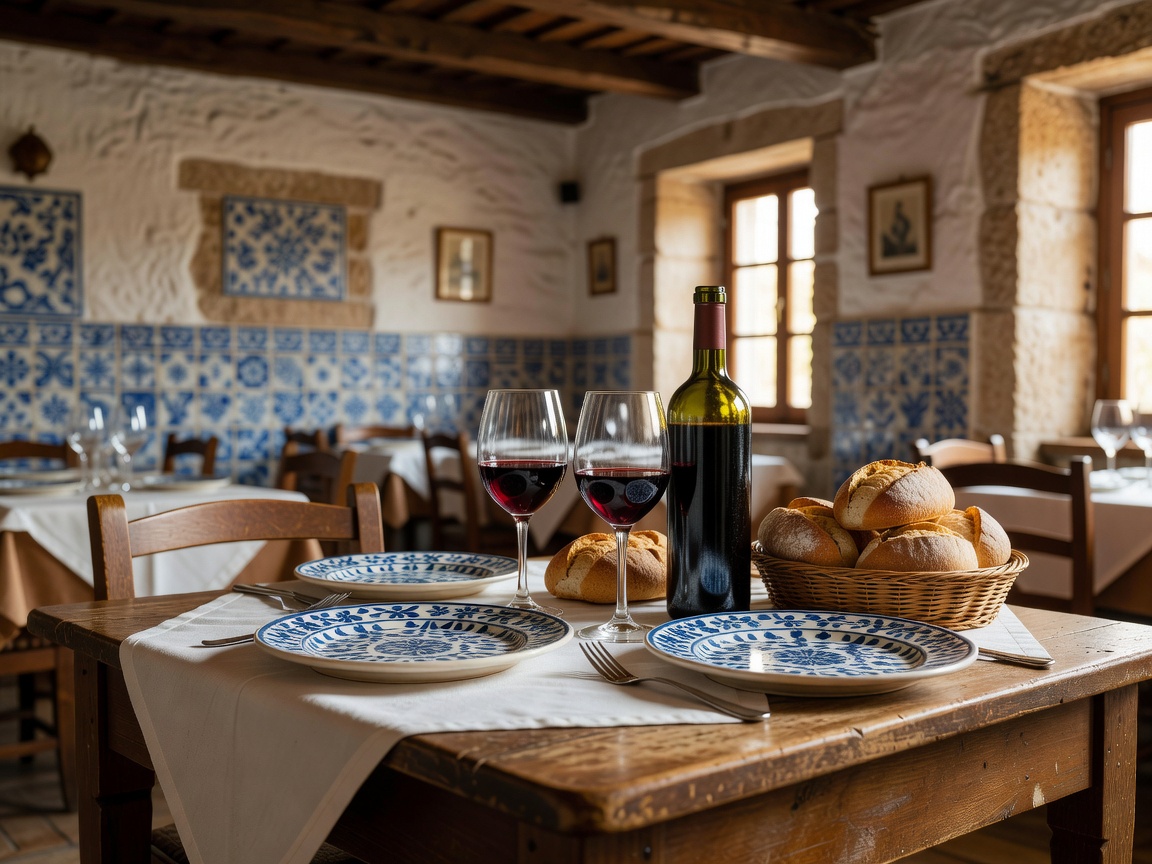
Table set with plates, bread and wine in a traditional Portuguese restaurant
A good tasca has paper tablecloths, a television nobody watches and a written daily menu.

Wine, briefly

RegionStyleTry
Vinho Verde (Minho)Light, young, faintly sparkling whitesAlvarinho, Loureiro
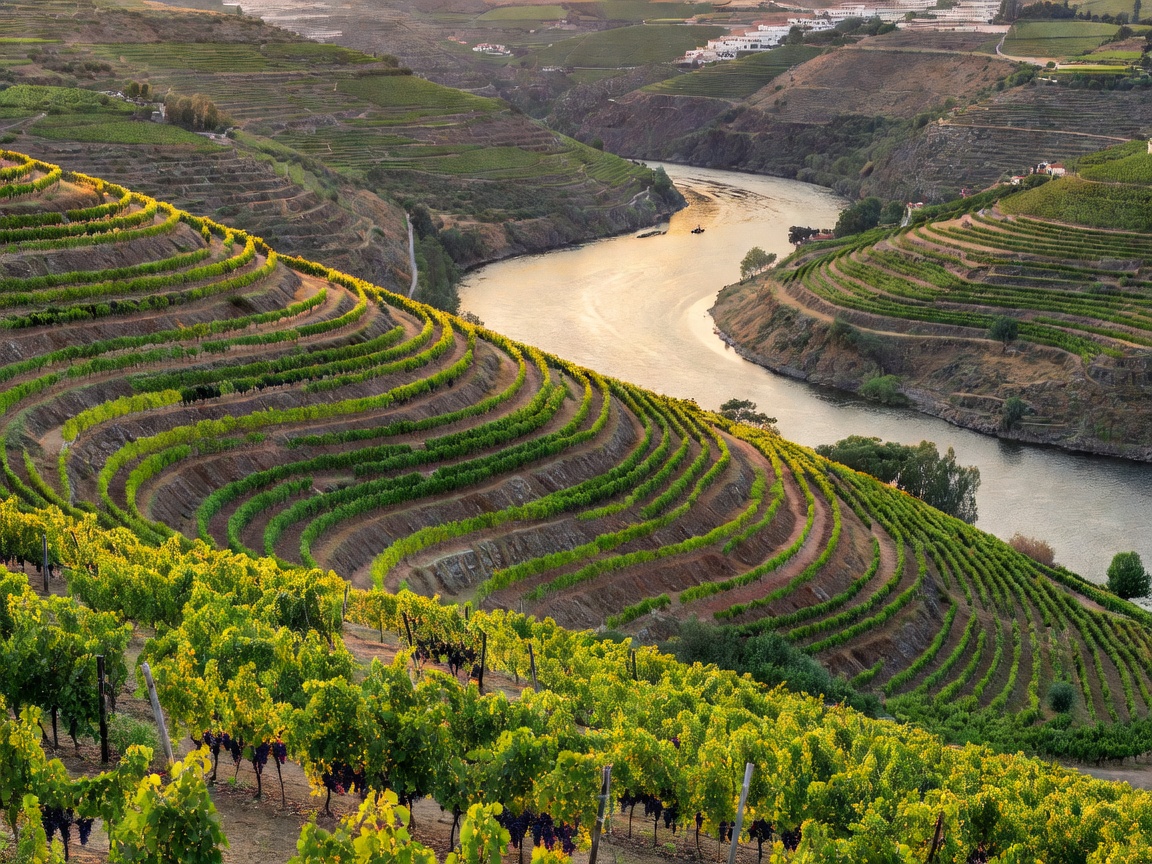
DouroPowerful dry reds plus portTouriga Nacional blends, tawny 10-year
DãoElegant, mineral reds from granite soilsJaen and Touriga blends
BairradaTannic reds, fine traditional-method sparklingBaga
AlentejoWarm, generous reds and talha amphora winesAragonez, Trincadeira
SetúbalSweet fortified MoscatelMoscatel de Setúbal 5 anos
MadeiraOxidised fortified, dry to sweetSercial, Verdelho, Malmsey

House wine — vinho da casa — is usually decent and costs €1.50–3 a glass or €8–12 for a jug. Ordering it marks you as sensible rather than cheap.

Vegetarians and vegans

Traditional Portuguese cooking is meat- and fish-heavy, but cities have changed fast. Lisbon and Porto both have excellent dedicated vegetarian restaurants, and most modern places offer at least one full plant-based main. In rural areas, reliable options are sopa de legumes, migas without meat, grilled vegetables, arroz de feijão, cheese and bread. Be aware that soups often contain a meat stock — ask "leva carne?" to check.

Food FAQ

What is the single dish I should not leave without eating?

A pastel de nata within minutes of baking, and a plate of grilled fish eaten outdoors between June and September. Those two cover the whole culture.

Are markets worth visiting?

Yes — Bolhão in Porto, Mercado da Ribeira and Campo de Ourique in Lisbon, Loulé in the Algarve, Lavradores in Funchal. Go in the morning; fish stalls close by 14:00.

How much should dinner cost?

€22–35 per person with wine in a good mid-range restaurant; €12–18 in a neighbourhood tasca; €60+ in the fine-dining rooms of Lisbon and Porto.

Is tap water safe?

Yes, everywhere on the mainland and the islands. Restaurants will serve bottled by default — ask for "água da torneira" if you prefer tap.

Related

Eat your way around

Regional food guides inside our destination pages.