 Stopover
Home / Destinations / Madeira
Madeira
A volcanic peak in the middle of the Atlantic with laurel forest on its shoulders, irrigation channels running for 3,000 kilometres, and a winter that never drops below shirtsleeves.
Home / Destinations / Madeira
A volcanic peak in the middle of the Atlantic with laurel forest on its shoulders, irrigation channels running for 3,000 kilometres, and a winter that never drops below shirtsleeves.
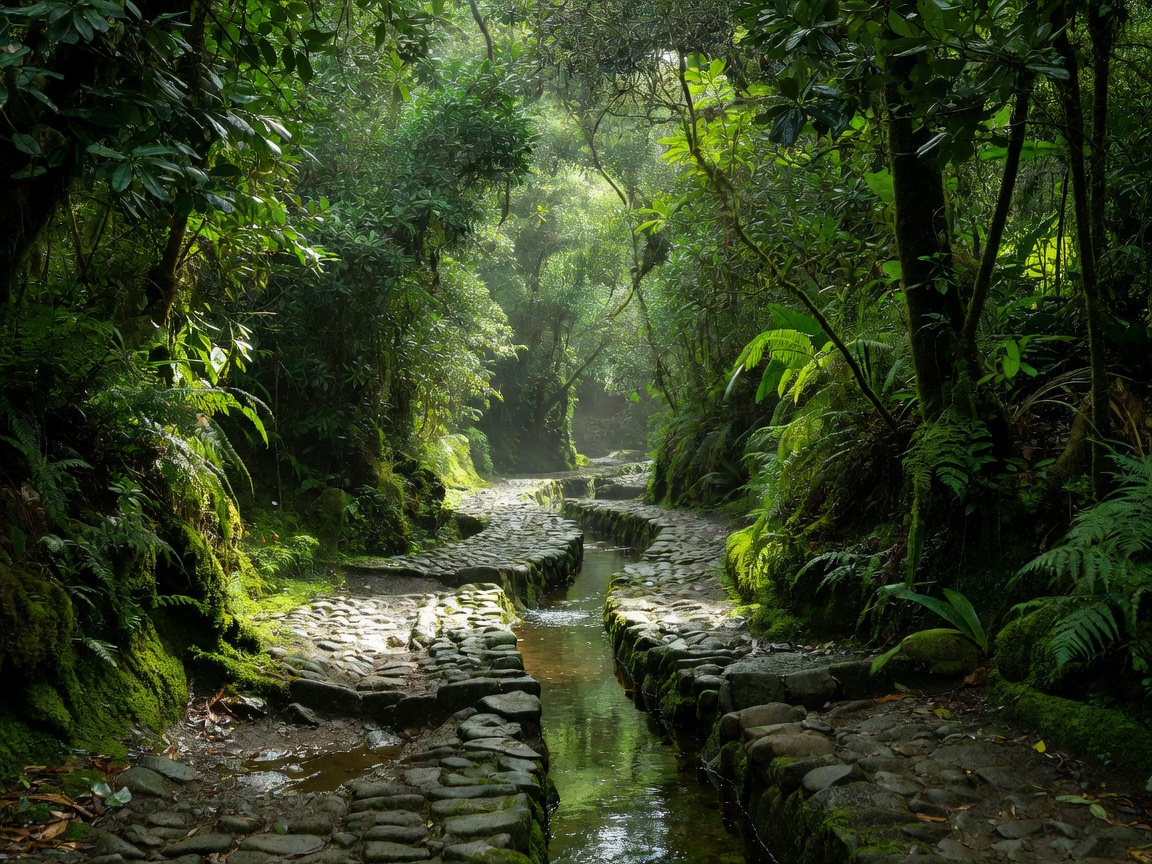
Madeira has almost no flat land. Roads tunnel through mountains, villages cling to ledges, and the island's defining engineering — the levadas — are narrow irrigation channels cut into cliffs from the 16th century onwards to carry water from the wet north to the dry south. Walking beside them is now the island's main attraction: hundreds of kilometres of near-level paths through laurisilva forest that has survived since the Tertiary period and is UNESCO-protected.
It is not a beach destination in the usual sense. There are a few sand beaches (Machico, Calheta, and the golden sands of nearby Porto Santo), but most swimming happens in natural rock pools and seawater lidos. What you get instead is hiking, extraordinary gardens, wine with 500 years of history and a food culture built on espetada, bolo do caco and scabbardfish.
| Walk | Distance | Difficulty | Notes |
|---|---|---|---|
| Levada dos Balcões | 3 km return | Easy | Flat, forested, ends at a viewpoint over the central massif. Ideal first walk. |
| Levada do Rei | 10 km return | Easy–moderate | Deep laurisilva, waterfalls, rarely busy. |
| Vereda dos Balcões to Ribeiro Frio | 5 km | Easy | Trout farm and a good lunch stop at the end. |
| Levada das 25 Fontes | 11 km return | Moderate | The famous one. Book the Rabaçal shuttle or arrive before 08:30. |
| Pico do Arieiro → Pico Ruivo | 11 km return | Hard | Knife-edge ridges, tunnels, 1,000 m of cumulative ascent. Take a head torch. |
| Ponta de São Lourenço | 8 km return | Moderate | Desert-like eastern peninsula; no shade, huge ocean views. |
| Levada do Caldeirão Verde | 13 km return | Moderate | Four unlit tunnels and a waterfall amphitheatre. Bring a torch and a raincoat. |
Some trails now require a €3 online permit (PR1, PR1.2, PR1.3 and others). Check the Madeira forestry authority website before setting out, and never start a ridge walk in cloud.
Flowers, custard apples, monstera fruit and the black scabbardfish that looks like a nightmare and tastes wonderful. Go early; avoid the aggressive fruit-sample sellers upstairs.
Cable car up (€12.50), then a wicker sledge steered by two men in straw hats down the road (€30 for two). Absurd, touristy, genuinely fun.
Two of the great subtropical gardens of Europe, both with views over Funchal bay.
Natural volcanic rock basins filled by the Atlantic. €3 entry to the maintained complex; free at the wilder pools alongside.
Blandy's Wine Lodge in Funchal, €7–32 depending on the flight. Sercial to Malmsey, dry to intensely sweet, and bottles from the 19th century still on sale.
Ancient twisted laurel trees on a misty plateau. Photographers set alarms for this; go on a damp morning for the full effect.
A fishing village with painted boats, then the glass-floored skywalk 580 m above the sea.
Year-round from Funchal or Calheta, €35–60. Resident pilot whales and bottlenose dolphins.
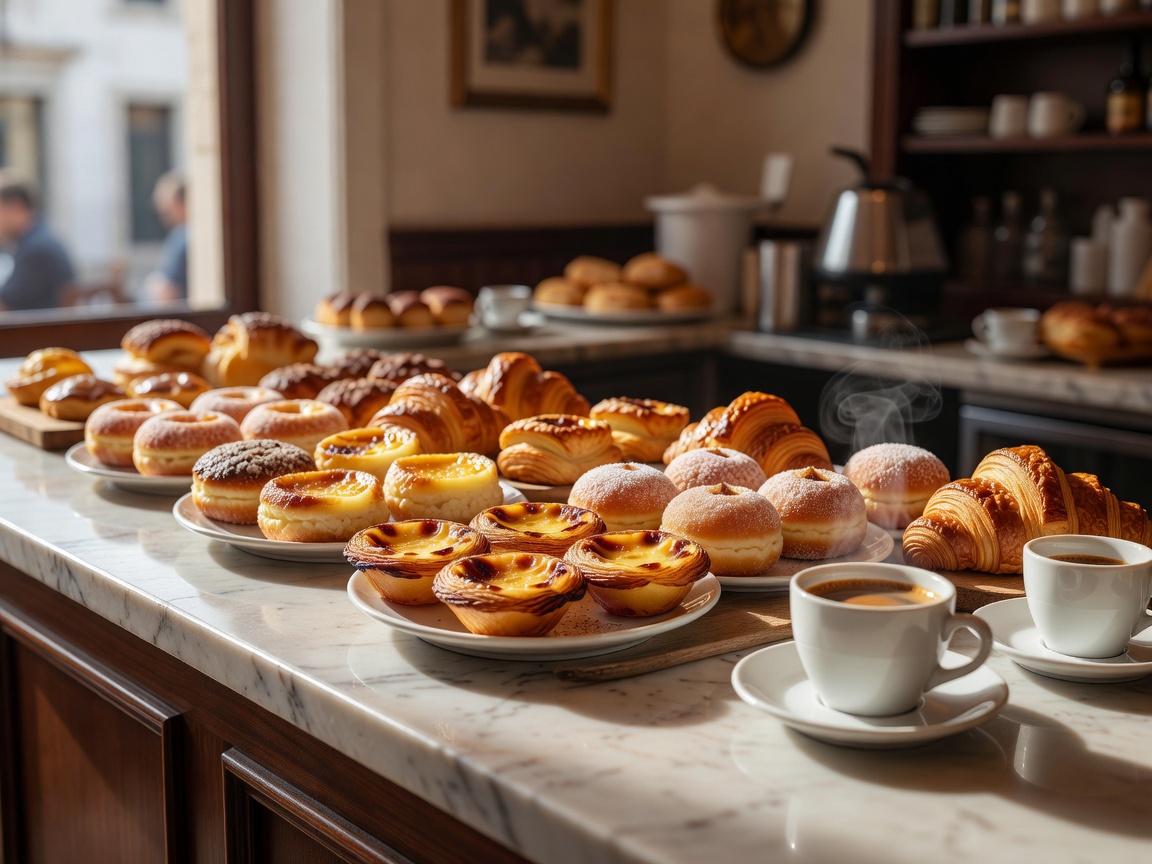
Order espetada — beef rubbed with garlic and bay, grilled on a laurel skewer and hung at your table — with milho frito (fried cornmeal cubes) and bolo do caco, a flatbread cooked on a basalt stone and served hot with garlic butter. Fish means espada com banana, scabbardfish fillet with fried banana, a combination that should not work and does. Drink poncha: sugarcane spirit, honey and lemon, stirred with a wooden mexelote. One is refreshing; three are a decision you will discuss with yourself tomorrow.
Madeira's roads are excellent — the VR1 expressway crosses the island in tunnels and viaducts — but the older village roads are extremely steep, with gradients up to 25% and hairpins with no run-off. Rent the smallest car you are comfortable in, insist on a manual only if you are confident with hill starts, and never park facing downhill without the handbrake fully on.
Without a car: Funchal is walkable, buses (Horários do Funchal and SAM) reach most coastal towns cheaply, and organised walk transfers cost €25–40 including pick-up. Many visitors combine four bus days with two rental days for the mountains.
Any month. April–June for flowers and clear ridges, September–October for warm sea, December for the famous Funchal New Year fireworks, February for Carnival. The north coast is wetter than the south year-round.
Not conventionally. For sand, take the 2h15 ferry to Porto Santo, which has nine kilometres of golden beach. On Madeira itself, swim at Calheta (imported sand), Machico, or the lidos of Funchal.
Levada walks are mostly flat and suit anyone comfortable walking 8–12 km. The Arieiro–Ruivo ridge is a genuine mountain route. Vertigo is a real consideration on several trails with unfenced drops.
You can — flights to Lisbon and Porto run several times daily — but Madeira deserves its own week. Adding it to a five-day mainland trip means spending a day in airports.
If Madeira is your main trip, these three pair well with a short mainland stopover.
Stopover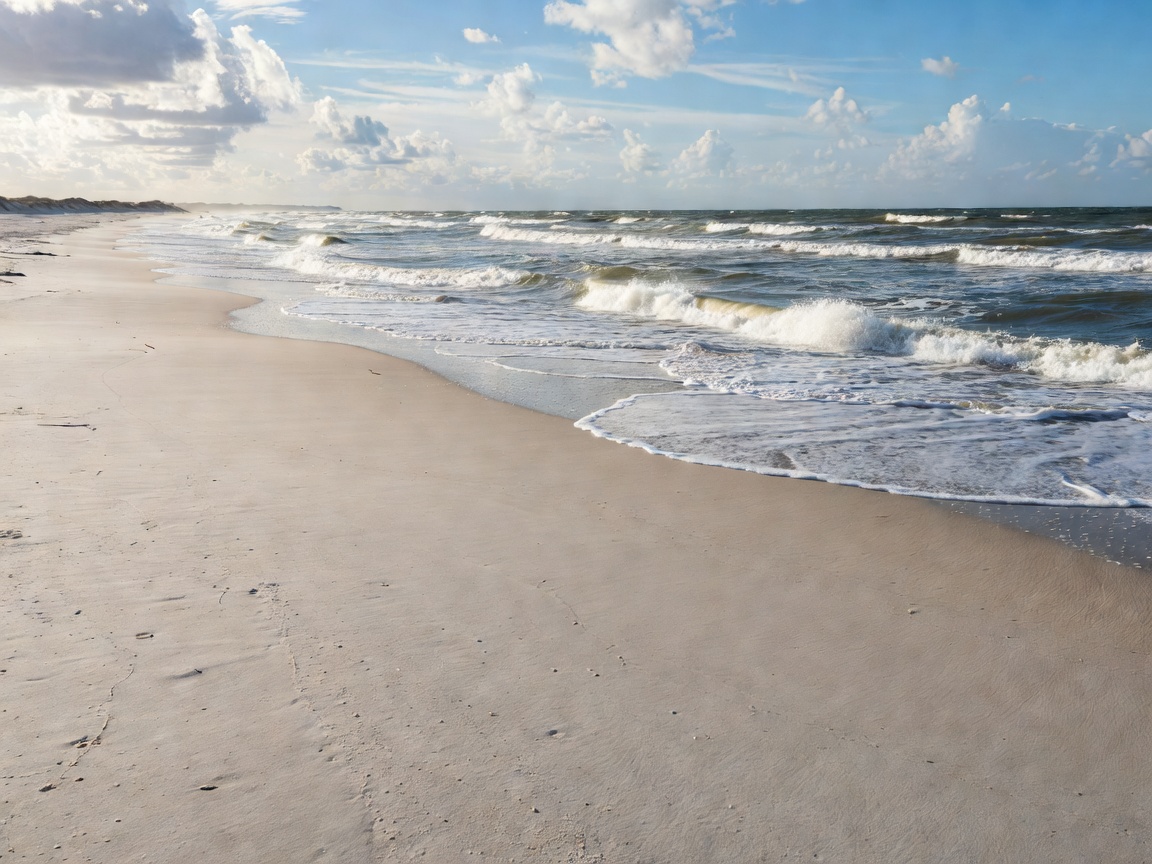 Swimming
 Food