 5 days
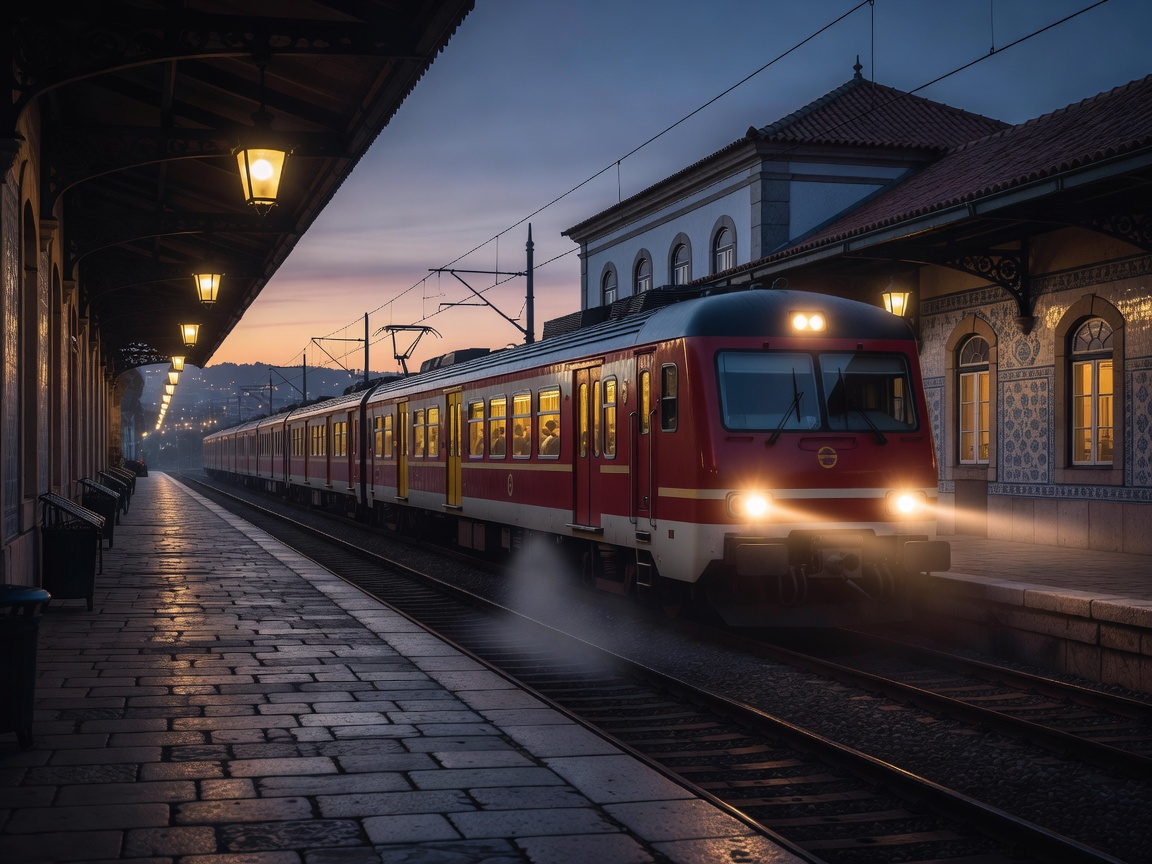
Lisbon to Porto by train
Add Coimbra as a stopover between the two cities — the train stops there anyway.
Home / Destinations / Historic towns
Roman temples, Templar convents, medieval walls and a university founded in 1290. The Portugal that exists between the two big cities, and usually without the queues.
Travel times are from the nearest major city by public transport. All eight can be done as day trips, but the starred ones genuinely repay an overnight stay.
| Town | From | Time | Why go | Stay over? |
|---|---|---|---|---|
| Évora | Lisbon | 1h35 train | Roman temple, Chapel of Bones, walled UNESCO centre, Alentejo food | Yes ★ |
| Óbidos | Lisbon | 1h10 bus | Complete medieval walls, cherry liqueur in chocolate cups | Yes ★ |
| Guimarães | Porto | 1h15 train | Birthplace of Portugal; castle, ducal palace, superb old town | Optional |
| Coimbra | Lisbon / Porto | 1h40 / 1h05 | Joanina Library, student traditions, riverside setting | Yes ★ |
| Tomar | Lisbon | 2h train | Convent of Christ — the Templar headquarters, extraordinary window | Optional |
| Marvão | Lisbon (car) | 2h45 drive | Fortress village on a 860 m crag, views into Spain | Yes ★ |
| Monsaraz | Évora (car) | 50 min drive | Whitewashed hill village above the Alqueva lake; dark-sky reserve | Yes |
| Viana do Castelo | Porto | 1h15 train | Renaissance square, hilltop basilica, Minho traditions and beaches | Optional |
Inside its 14th-century walls, Évora holds a Roman temple from the 1st century, a Gothic cathedral you can climb for rooftop views, and the Capela dos Ossos, a chapel lined with the bones of some 5,000 monks beneath the inscription "we bones that are here, for yours await". It is a small city — you can cross it in twenty minutes — but it is also the gateway to the Alentejo's cork forests, megalithic stone circles and some of Portugal's best inland cooking.
Eat açorda alentejana (bread and coriander soup with garlic and a poached egg), carne de porco à alentejana (pork with clams) and black pork from acorn-fed pigs. Drink the region's dense reds. Train from Lisbon Oriente takes 1h35; buses are similar and slightly cheaper.
Portugal's oldest university, founded in 1290, occupies the top of a hill above the Mondego river. The Biblioteca Joanina (1728) is the reason most people visit: three baroque halls of gilded shelving, protected from insects by a colony of resident bats released at night. Timed tickets, €13.50 for the full circuit.
Below, the old town descends in staircases to a lively student quarter. Coimbra has its own tradition of fado — sung by men, in academic capes, more lyrical than Lisbon's. May's Queima das Fitas festival fills the city; book accommodation months ahead or avoid it entirely.
A sign on the old wall reads "Aqui nasceu Portugal" — Portugal was born here. Afonso Henriques, the first king, was born in the castle in 1109 and the country's founding battle took place nearby in 1128. The medieval centre is a UNESCO site of granite arcades and balconied houses, small enough to walk in an afternoon and pretty enough to linger in. Take the cable car to Penha for the view.
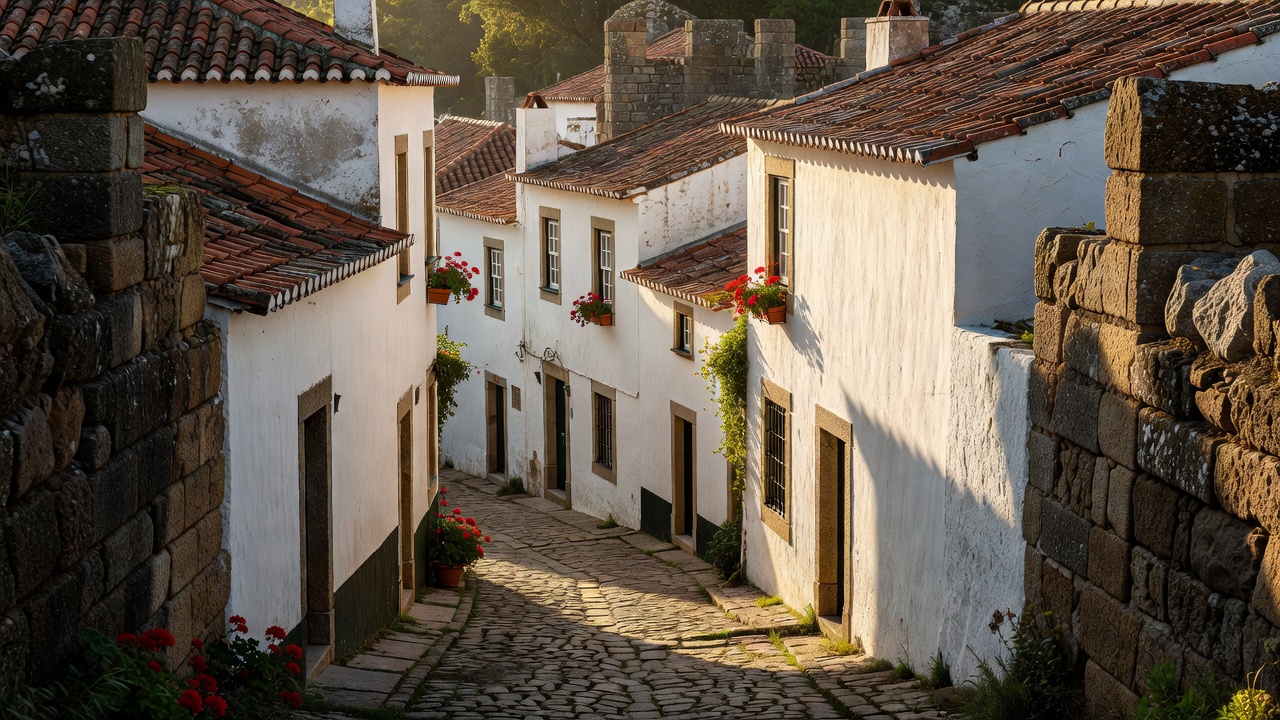
Given as a wedding gift to queens of Portugal from 1282 onwards, Óbidos is a complete circuit of walls around one main street of white houses edged in blue and yellow. It is undeniably touristic by day — arrive before 10:00 or stay the night, when the village empties and the walls are floodlit. Try ginjinha, sour cherry liqueur, served in an edible chocolate cup.
Historic towns work best strung between the two big cities.
5 daysAdd Coimbra as a stopover between the two cities — the train stops there anyway.
 Base
 Base