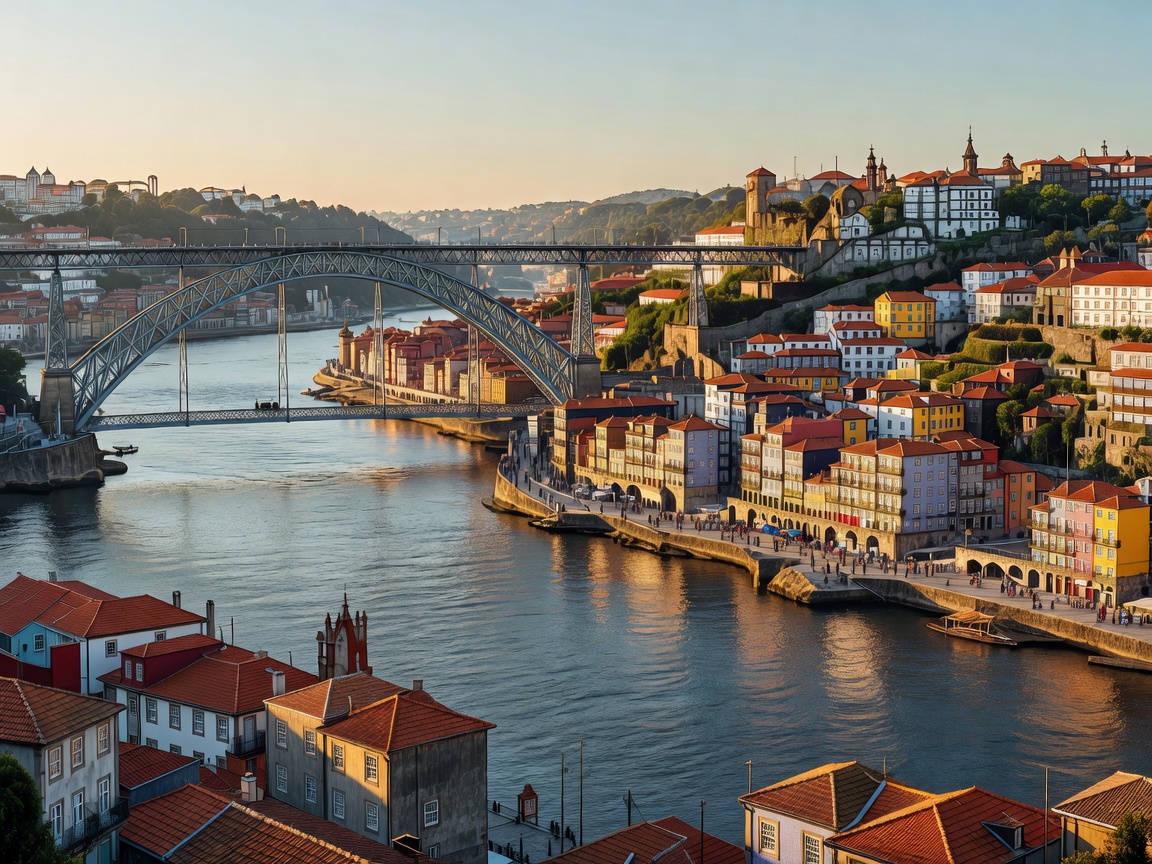
 Gateway
Home / Destinations / Douro Valley
Douro Valley
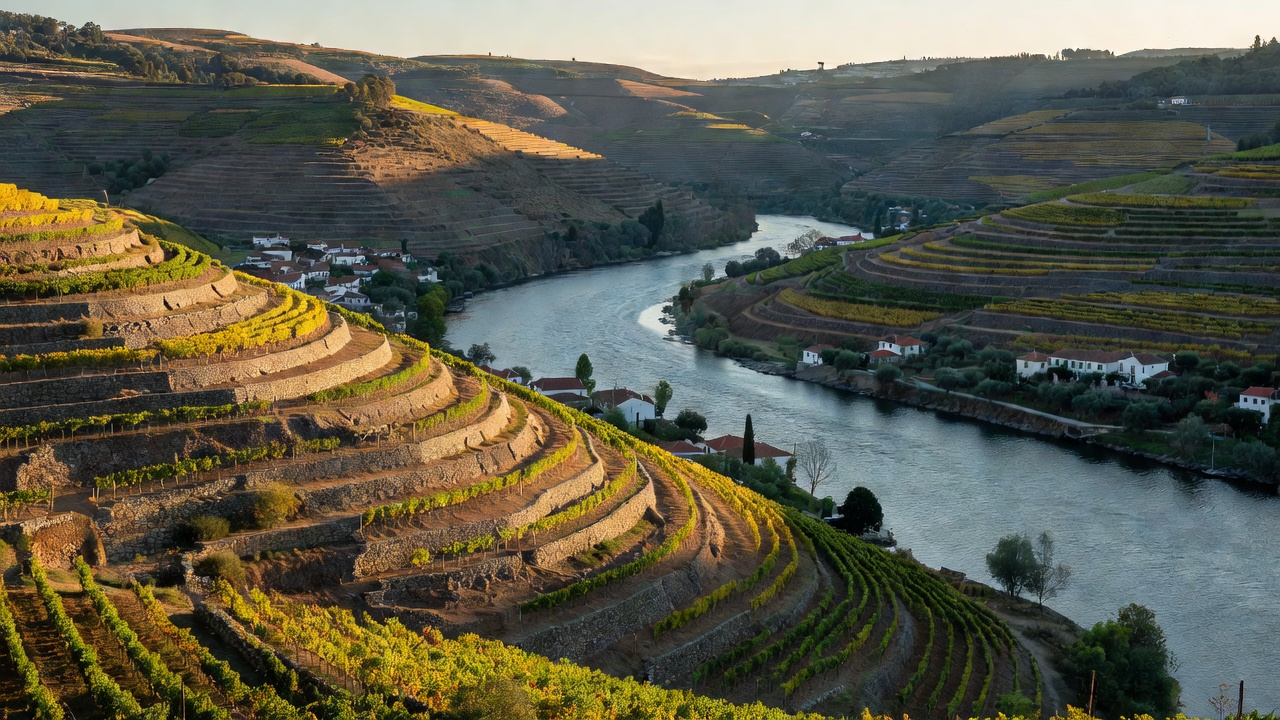
Schist terraces carved by hand since the 17th century, a river tamed by dams, and the world's first demarcated wine region — established in 1756, fifty years before Bordeaux.
Home / Destinations / Douro Valley
Schist terraces carved by hand since the 17th century, a river tamed by dams, and the world's first demarcated wine region — established in 1756, fifty years before Bordeaux.
Most wine regions are gentle. The Douro is violent geology: a deep schist gorge where summer temperatures exceed 40°C and vines are planted on terraces so steep that much of the work is still done by hand and by mule. The landscape you see — socalcos stepping from waterline to ridge — was built over three centuries and is itself a UNESCO World Heritage Site.
The region produces port, the fortified wine shipped downriver to Gaia for ageing, and increasingly ambitious dry reds and whites that now stand alongside anything in Iberia. A visit means tasting both, ideally at a working quinta with the vineyard visible from the table.
Take the CP regional train from Porto São Bento to Pinhão. The final 50 minutes from Régua run directly along the water, the track cut into the rock a few metres above the river. It costs €14.50 one way, takes 2h10, and is one of the great European rail journeys. Sit on the right-hand side travelling east.
Trains: roughly 05 departures a day. The 09:15 from São Bento gives you the best day-trip window; the 18:25 return is the last sensible one.
| Quinta | Near | Visit | Cost |
|---|---|---|---|
| Quinta do Bomfim | Pinhão (5 min walk) | Tour + 3 tastings, excellent for first-timers | €25 |
| Quinta das Carvalhas | Pinhão (across the bridge) | Jeep tour to the ridge; the finest viewpoint in the valley | €35 |
| Quinta de la Rosa | Pinhão (2 km) | Family estate, riverside lunch, rooms available | €20–45 |
| Quinta Nova | Covas do Douro | Vineyard trails, restaurant with a view | €30 |
| Quinta do Crasto | Gouvinhas | Serious dry reds; infinity pool famous in every guidebook | €40 |
| Quinta do Vallado | Régua | Modern winery, strong whites, hotel on site | €25 |
Book directly by email at least a week ahead, longer in September. Two visits in a day is comfortable; three is a mistake.
Twenty-four azulejo panels from 1937 showing the harvest and the river. Free, and on your way in.
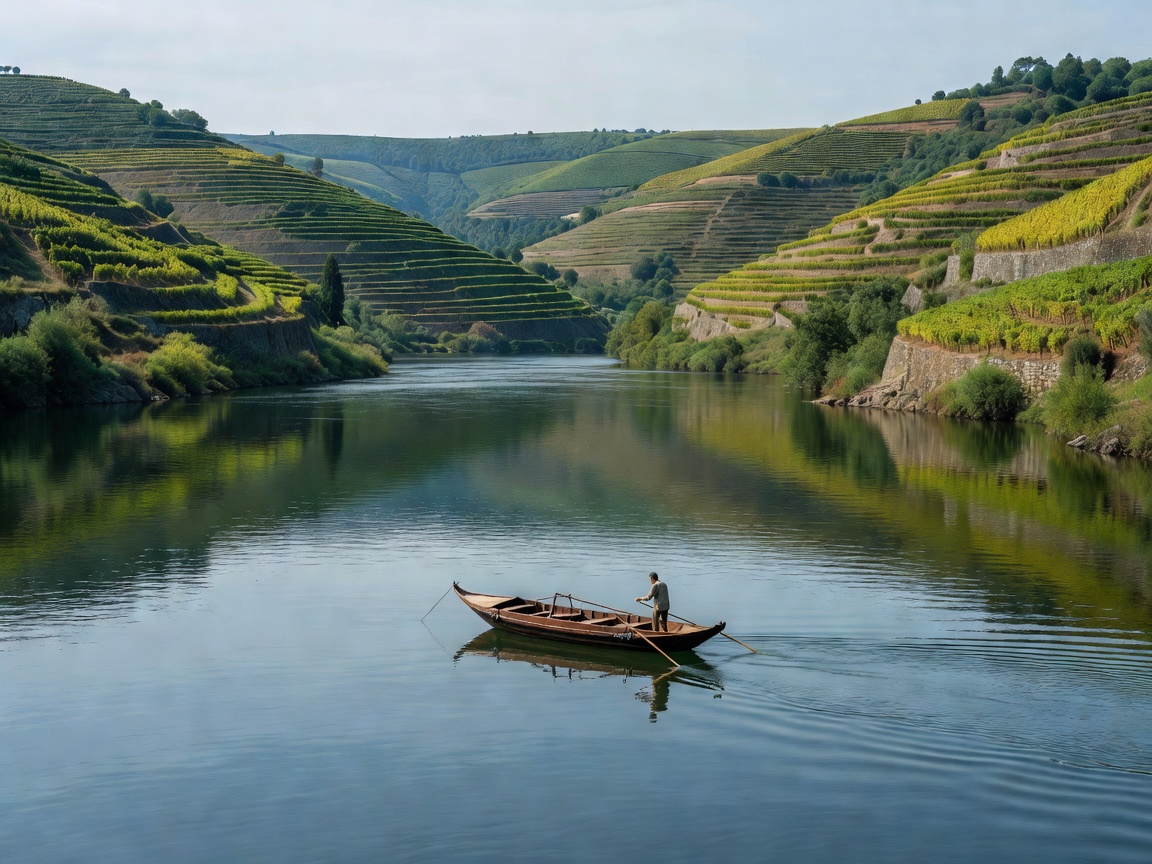
€15–20 from Pinhão quay. The terraces read completely differently from water level.
A 600-metre-high viewpoint over a full bend of the river. Requires a car or taxi from Régua.
A clear, well-presented history of the region and how port is made. €7.50.
Several quintas let visitors join a grape treading session in the granite lagares. Book months in advance.
The Régua–Pinhão stretch is routinely called one of the best driving roads in the world. Twenty-seven kilometres of curves above the river — with one of you staying sober.
A day trip from Porto is feasible: train at 09:15, a quinta at 11:30, lunch, a cruise, train home. You will see the valley but spend four hours in transit.
One night changes everything. Evening light on the terraces is the reason photographers come here, and it happens after the day-trip train has left. Quinta guesthouses cost €120–220 including breakfast; small hotels in Pinhão and Régua start around €85.
Not if you stay in Pinhão, where three quintas are walkable and taxis cover the rest. A car helps for the N222, the viewpoints and quintas further east — but tasting and driving do not mix, so plan a designated driver or hire a local driver (€120–180 per day).
May and June. September brings the harvest energy; late October the terraces turn copper and gold. July and August are spectacular but can hit 40°C with little shade.
Group tours at €85–110 typically include two tastings, lunch and a short cruise. Efficient, but you go where the coach goes. The train plus two independent bookings costs about the same and is far better.
Yes — several quintas have gardens, pools and vineyard walks, and the river cruise is popular with families. Tastings are adult-only but staff are used to accommodating.
Three guides that complete a northern trip.
Gateway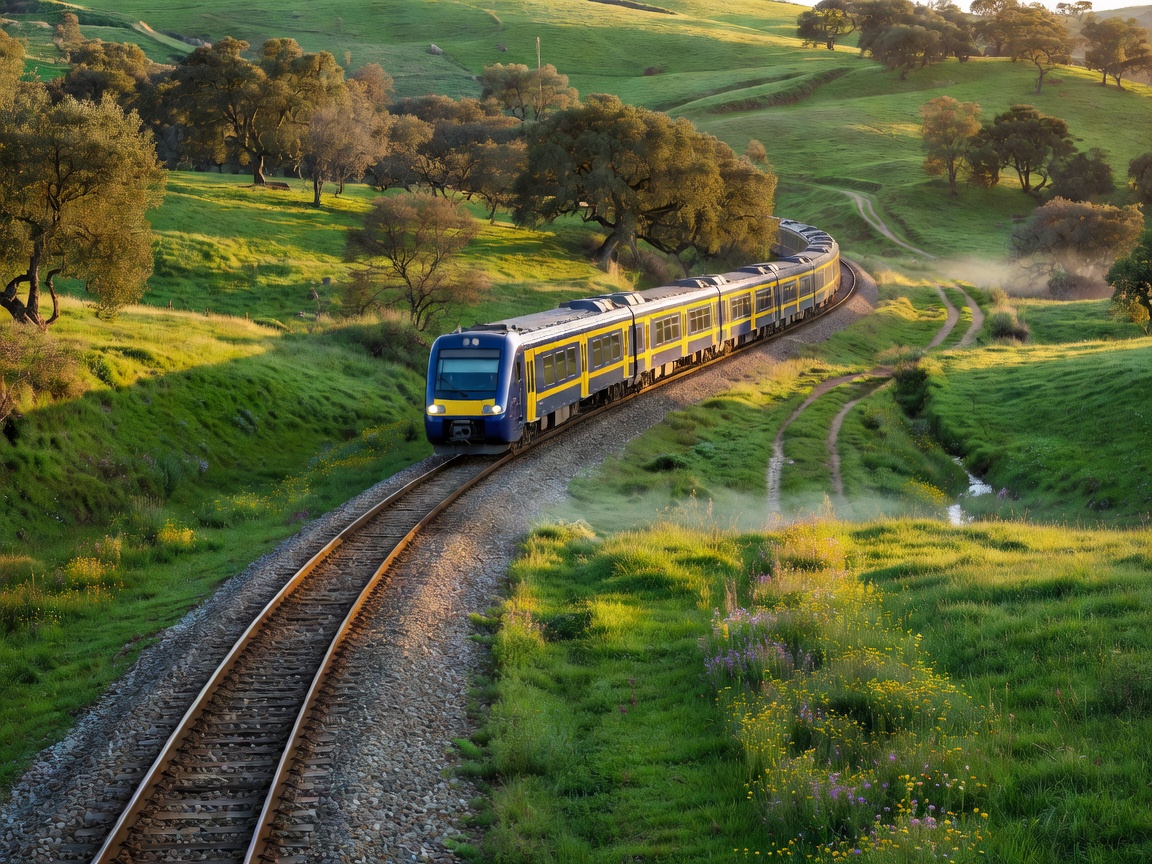 Practical
How to book CP fares, what Alfa and Intercidades mean, and when to pre-book.
 Inland