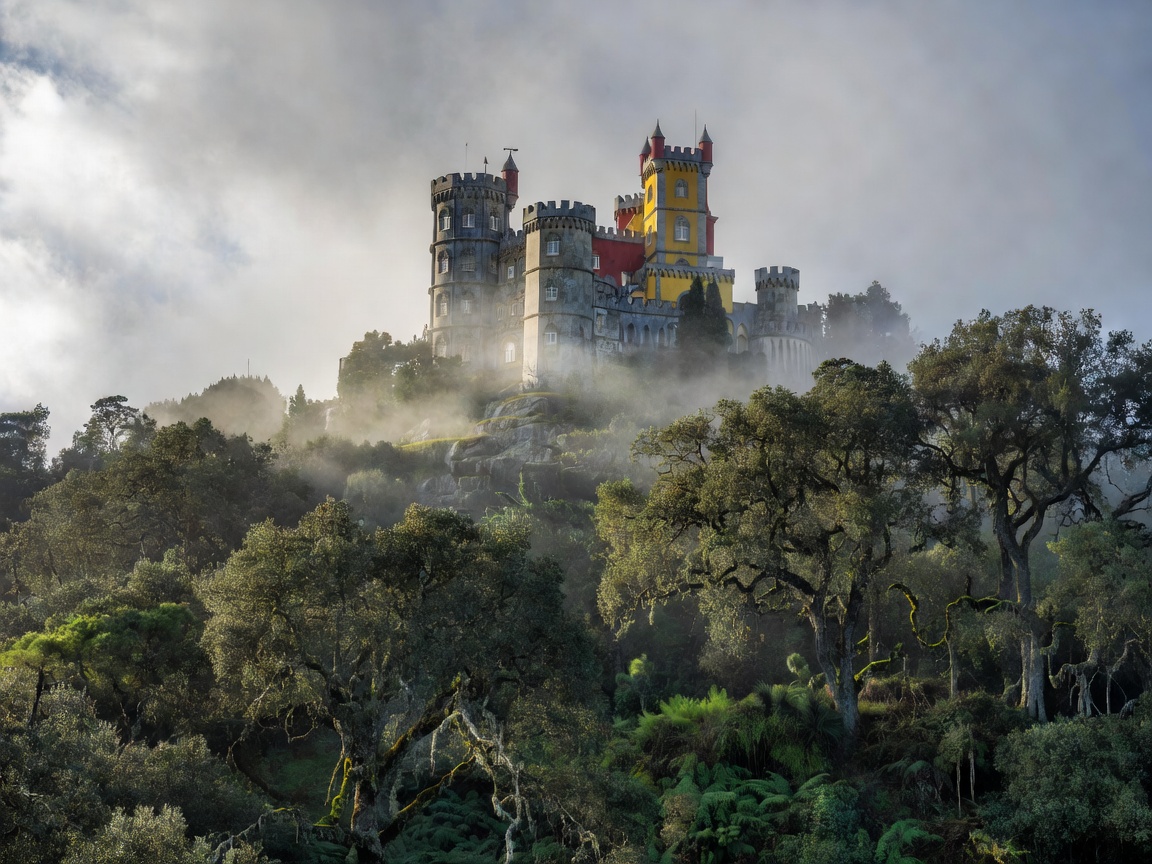
 40 minutes
Home / Destinations / Lisbon
Lisbon
Seven hills, one enormous river and a city that has been rebuilding itself since 1755. Here is how to spend three days in it without queuing for a tram you did not need.
Home / Destinations / Lisbon
Seven hills, one enormous river and a city that has been rebuilding itself since 1755. Here is how to spend three days in it without queuing for a tram you did not need.
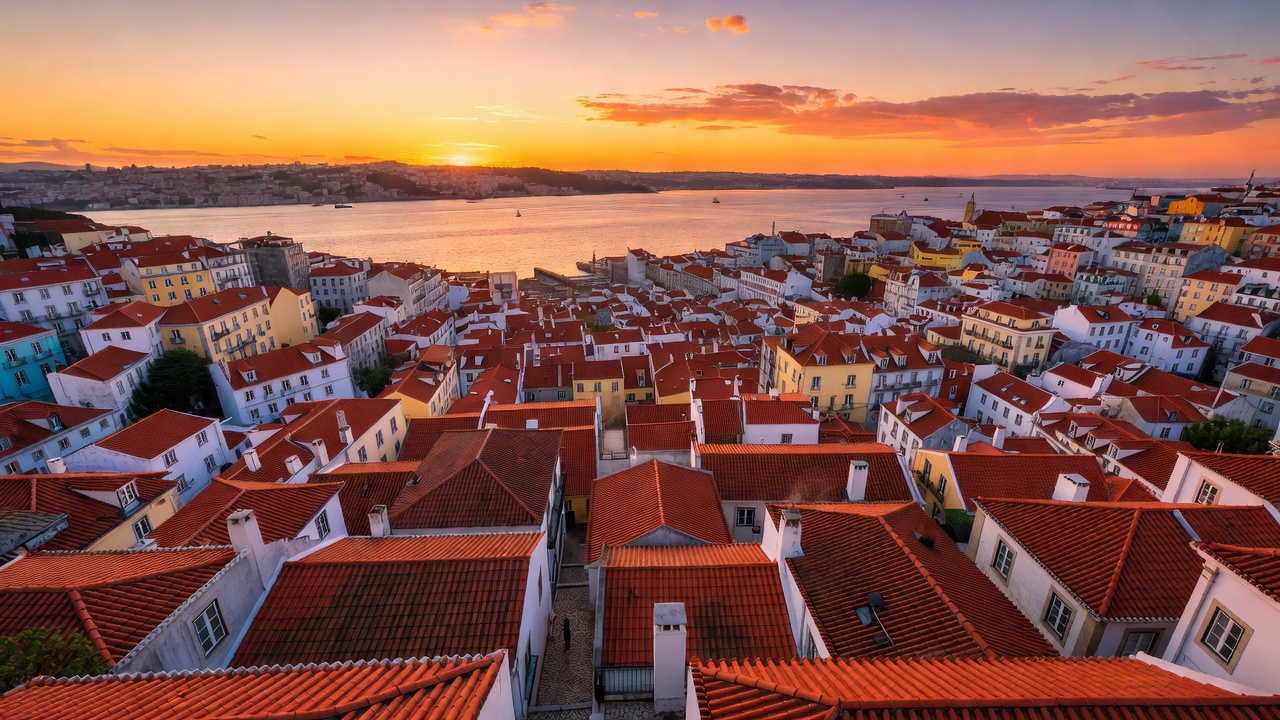
Lisbon is a capital built on a slope, which means it constantly shows you itself. Turn any corner in Graça and the Tagus appears below, wide as a lake and the colour of pewter. The 1755 earthquake destroyed most of the lower city, and the Marquês de Pombal rebuilt it as Europe's first seismically engineered grid — which is why the Baixa feels so orderly and the hills on either side feel so medieval.
The pleasure of the city is not in ticking off monuments. It is in the ritual: a bica standing at the counter for €0.80, a walk uphill that ruins your calves, a €12 lunch of grilled fish in a room with paper tablecloths, and an evening on a terrace with the light going gold, then pink, then out.
Three full days is the sweet spot. Two gets you the highlights but no breathing room; four allows Sintra or Cascais without cutting the city short.
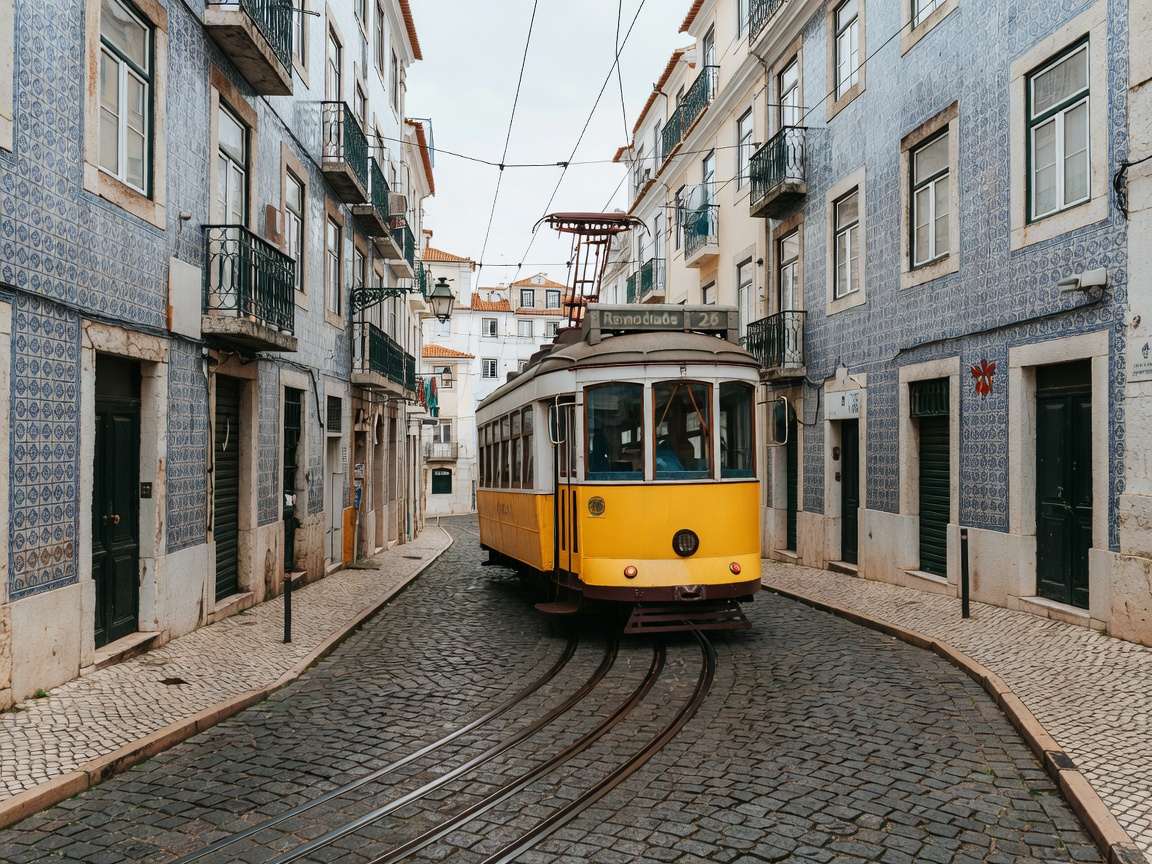
The oldest quarter, largely spared by the earthquake. A labyrinth of staircases, washing lines and fado bars below São Jorge Castle. Best walked downhill from Largo das Portas do Sol early in the morning, when the sound is birds and radios rather than rolling suitcases.
Pombal's grid runs from Rossio to Praça do Comércio. Chiado, above it, is the city's literary quarter: A Brasileira café, the ruined Carmo Convent, bookshops and the Bertrand, the oldest operating bookshop in the world (1732).
Bairro Alto sleeps until dark, then fills every doorway with people holding plastic cups. Uphill, Príncipe Real is calmer: concept stores, a botanical garden, an enormous cedar tree trained into a canopy, and the best Sunday brunch in the city.
Six kilometres west. The Jerónimos Monastery (Manueline stonework at its finest), Belém Tower, the Coach Museum and the original Pastéis de Belém bakery, which has been making its tarts to a secret recipe since 1837. Go before 10:00 or after 16:00.
A former red-light street now full of bars, plus the Mercado da Ribeira food hall. The market is good for a first meal and hopeless for authenticity — one floor is a tourist canteen, the other is a genuine produce market that has traded since 1892.
East of Santa Apolónia, old warehouses now house craft breweries, galleries and wine bars along the riverfront. Almost no tour groups. Take the 728 bus or walk the river path from Parque das Nações.
| Experience | Cost 2026 | Notes |
|---|---|---|
| São Jorge Castle | €15 | Go for the ramparts and the view, not the interiors. Book a slot online. |
| Jerónimos Monastery cloister | €12 | Closed Mondays. Arrive at opening; queues double by 11:00. |
| Gulbenkian Museum & gardens | €14 | The finest collection in Portugal and a garden made for napping. |
| MAAT riverside museum | €11 | Walk the roof at sunset — free even without a ticket. |
| Fado in Alfama (Mesa de Frades area) | €25–45 | Minimum spend is normal. Silence during songs is not optional. |
| Miradouro da Senhora do Monte | Free | The highest viewpoint. Best 40 minutes before sunset. |
| Elevador de Santa Justa | €6 | Skip the lift, walk up through Carmo instead — same view, no queue. |
| Feira da Ladra flea market | Free | Tuesdays and Saturdays at Campo de Santa Clara. |
| Ferry to Cacilhas | €1.55 | Ten minutes across the Tagus for the best skyline photo in Lisbon. |
| LX Factory | Free | Under the bridge in Alcântara; Sunday market, bookshop, rooftop bars. |
Lisbon eats late: lunch from 13:00, dinner rarely before 20:00. A traditional tasca lunch — soup, grilled fish or pork, wine, coffee — still costs €10–14 in neighbourhoods like Campo de Ourique, Anjos and Penha de França. Look for handwritten daily menus and rooms full of people who are not carrying cameras.
Dishes to prioritise: bacalhau à brás (salt cod, egg, matchstick potatoes), ameijoas à bulhão pato (clams with garlic and coriander), bifana (marinated pork sandwich, the perfect €3.50 snack), peixe grelhado whatever came in that morning, and a pastel de nata eaten within ten minutes of leaving the oven.
The couvert — bread, olives, cheese placed on your table unrequested — is not free. Send it back with a polite "não, obrigado" if you do not want it. Nobody will be offended.
Buy a rechargeable Viva Viagem card at any metro machine (€0.50) and load it with zapping credit. A single metro, bus, tram or funicular ride costs €1.65 with zapping versus €2.10 cash on board. The 24-hour Carris/Metro pass is €7.10 and worth it on hill days.
From the airport, the red metro line reaches the centre in about 25 minutes for €1.65 plus card. A taxi or ride-hail to Baixa is €14–20 depending on traffic. The Aerobus is rarely the better choice.
Walk where you can, but respect the calçada — the polished limestone pavement is beautiful, lethal in rain and unforgiving on smooth soles.
Expect €95–160 per night for a good mid-range double in spring, €70–110 in winter. Many buildings have no lift and four flights of stairs — check before booking if that matters.
Yes, if you board at Campo de Ourique (the start of the line) around 08:00 and ride the whole route. No, if you join the 45-minute queue at Martim Moniz at midday. Tram 12 covers a similar circuit with fewer people.
Violent crime is rare. Pickpocketing on tram 28, in Santa Apolónia station and around Rossio is the real risk. Keep bags in front of you on crowded transport and ignore anyone offering "hash" on Rua Augusta — it is invariably a scam with fake product.
Three full days for Lisbon plus one dedicated day for Sintra. Do not try to see Sintra in a morning and Lisbon's Belém in the afternoon.
Almost all do, including small tascas. Carry €20 in cash for markets, ferries and the occasional cash-only pastelaria.
Jerónimos Monastery, the Coach Museum, the Gulbenkian and most state museums. Castles, markets and viewpoints stay open.
Three natural continuations, all reachable without a car.
40 minutes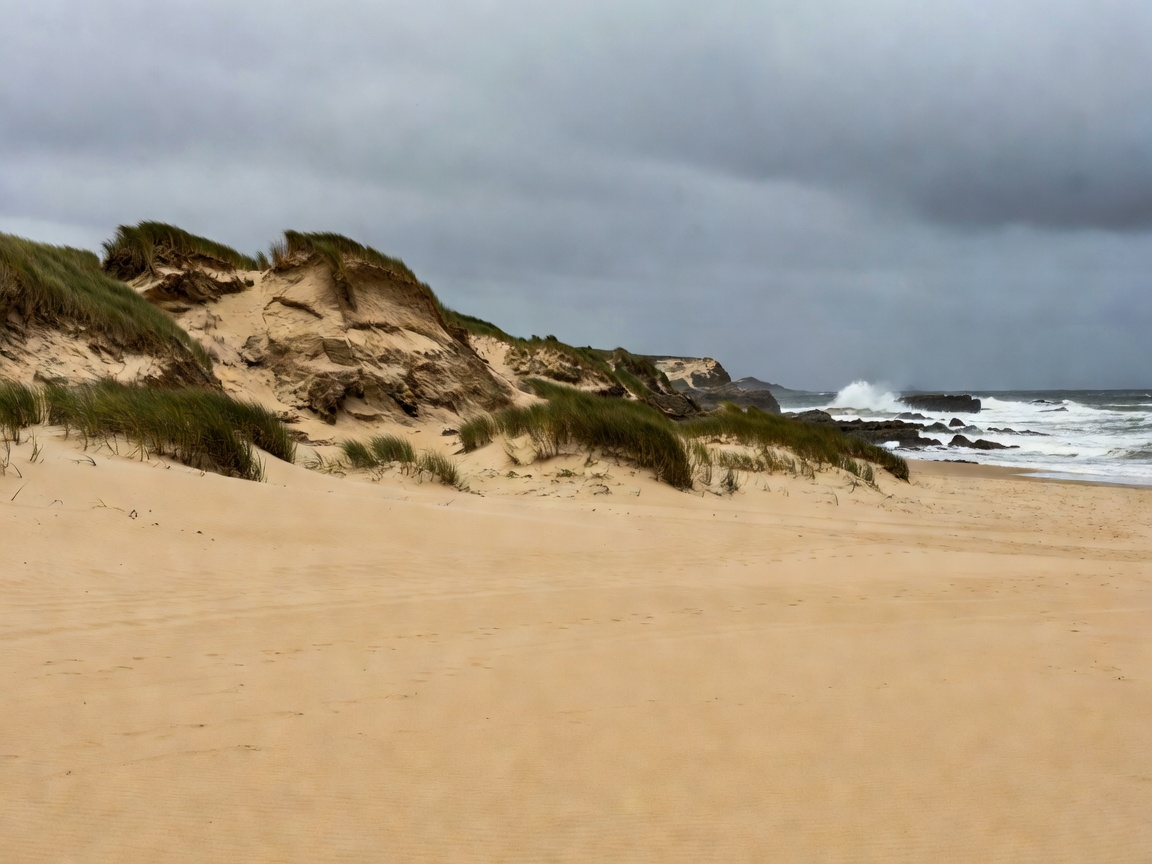 Nearby
 2h50 by train